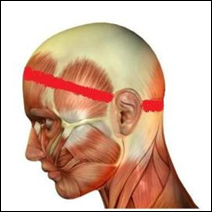
Lower Back Pain
Lower back pain is a symptom that results from a variety of causes being acute or chronic. It may be localised over a specific area or create a referral pattern to a remote area of the body.
Sacro-iliac Syndrome
Lower back pain caused due to a mechanical dysfunction of the sacro-iliac joints (the joint between the sacrum and the pelvis). This condition accounts for 50% of lower back pain with a referral to the buttock region. The pain can be felt as a sharp stabbing sensation or dull ache localised over the sacro-iliac joints, made worse with weight-bearing positions, motion or bending forwards or backwards.
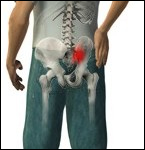
Lumbar Facet Dysfunction
Lower back pain originating from the facet joints (joints connecting each segment of the lumbar vertebrae) of the lumbar spine. This pain may be as a result of soft tissue impingement within the joint, due to degenerative changes involving the joint or various other mechanical injuries and dysfunction. The patient may experience a dull ache localised over the problem area with a possible referral pain over the buttock and thigh region. This pain is often aggravated by backward bending movements with slight relief on forward bending.
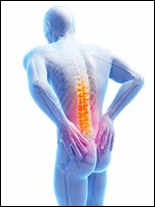
Lumbar Disc Herniation
Lower back pain caused by the bulging of the disc situated between two lumbar vertebrae, onto the nerve roots laterally (pinched nerve) or the spinal cord complex centrally thus causing compression of these structures. This may be caused due to acute trauma such as a fall or accident, chronic overloading in the case of heavy lifting or due to twisting movements. The patient will feel a sudden sharp, shooting or electrical sensation in the lower back region with a referral pattern down the leg as far down as past the knee. The pain is made worse with weight-bearing positions, sudden reflex movements such as with coughing or sneezing and forward bending. Backward bending may provide some relief.

Lumbar Degenerative Joint Disease
Lower back pain predominantly occurring in the elderly due to degenerative joint changes resulting in a constant dull ache with morning stiffness over the area of degenerative changes. This may cause a change in the spinal mechanics and therefore result in postural abnormality. Different postural positions may aggravate the pain or bring relief depending on where the changes exist and upon which structures they may cause compression. This pain is often relieved by rest.
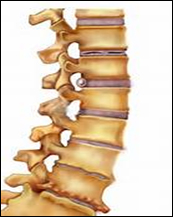
Neck Pain and Headaches
Neck pain, as with lower back pain, may result from acute injury or chronic overloading. Neck pain may cause referral patterns down parts of the arms or up to the head leading to headaches.
Cervical Disc Pain Syndrome
This type of neck pain arises from the cervical disc situated between the vertebral bodies. Damage of the disc leading to bulging onto the nerve roots or spinal cord may be caused due to direct trauma, in the case of a motor vehicle accident or sports injury; repetitive overload; certain postural positions or degeneration of the disc. The patient will experience pain locally with/without pain and numbness radiating down the arms, down the spine or up into the head resulting in headaches.
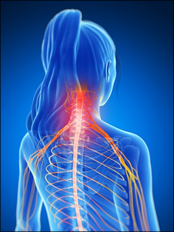
Headaches – Cervicogenic
This type of headache arises from the neck mainly the upper part and the base of the skull. It quite often causes a referral pattern over the forehead, behind the eyes and in and around the ears. It may be caused due to neck trauma or having the neck in a particular position for a prolonged period of time.
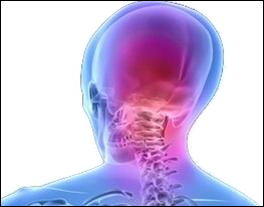
Migraines
Migraines are often attributed to changes in surrounding blood flow or brain activity. It is quite often brought on by a trigger such as an excessive consumption of coffee or wine, change in medication, environmental toxins etc. Migraines may or may not be preceded by an aura (either a certain smell or a change in vision). The pain may be described as a throbbing sensation that may be unilateral or bilateral referring over the forehead, temples or behind the eyes. The headache may last hours even up to a day and may have associated nausea, vomiting, fear of light or sound.
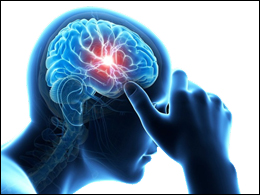
Tension Headaches
Tension headaches are intermittent headaches associated with muscle tension or trigger points (knots) situated within the shoulder or neck musculature. The pain is described as a tight band around the head with no associated symptoms of nausea, fear of light or sound, or throbbing. The pain is felt bilaterally over the frontal part of the head or the base of the skull. This type of headache can last from hours up to several days with reoccurring episodes.